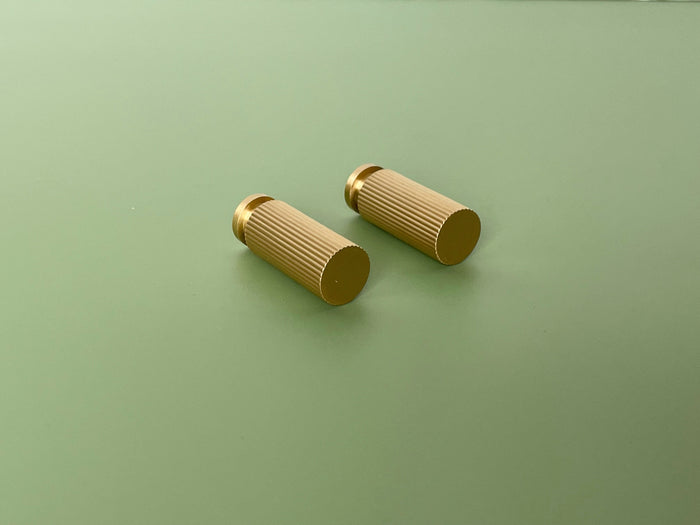
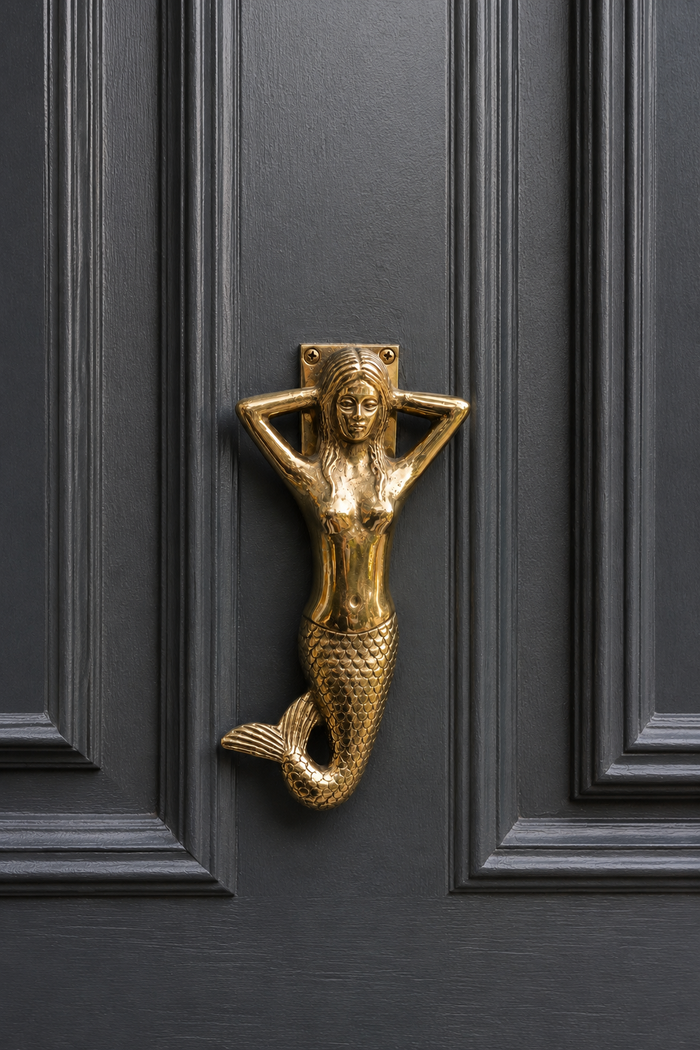
There is an undeniable magic in the tactile weight of a solid brass door knocker, or the warm, golden gleam of a perfectly cast cabinet pull. For centuries, English brass hardware has been the gold standard for homes around the world, bridging the gap between utilitarian function and high-end architectural artistry. It is a material that tells a story—one of roaring foundry fires, meticulous hand-finishing, and a legacy of design that has outlasted passing trends.
At Barn and Brass, we believe that understanding the legacy of the hardware you bring into your home deepens your appreciation for it. From the industrial booms of the 19th century to the modern resurgence of "living finishes," this comprehensive guide explores the history, manufacturing processes, and enduring appeal of English brass home hardware.
1. A Brief History of English Brass Hardware
While brass—an alloy primarily composed of copper and zinc—has been utilized by human civilizations since antiquity, the story of English brass hardware is a distinct tale of innovation, regional craftsmanship, and the profound impact of the Industrial Revolution.
When Was It First Developed?
In England, brass began to gain true prominence during the Middle Ages, though it was primarily reserved for monumental church brasses, ecclesiastical items, and royal monuments. Domestic brass hardware didn't become a widespread architectural staple until the late 17th and early 18th centuries, during the Georgian era. Prior to this, home hardware was predominantly forged from wrought iron or carved from wood. As the British middle class grew wealthier, a sudden demand emerged for elegant, decorative hardware that could mimic the luxurious look of gold without the astronomical cost. Early Georgian brass was often cast and finished entirely by hand, making even simple door knobs a mark of significant status.
The Boom of Widespread Use
The true golden age of English brass occurred during the 19th century. The city of Birmingham became the undisputed epicenter of global brass founding, rightfully earning the nickname the "City of a Thousand Trades." By the 1830s, Birmingham housed hundreds of brass foundries.
With the advent of steam power, drop stamping, and improved casting techniques, these foundries began producing architectural hardware at an unprecedented, industrialized scale. By the Victorian era, brass hardware was ubiquitous across Britain. It was no longer exclusively reserved for aristocratic manors; ordinary terraced homes featured proudly polished brass door knockers, letter plates, and interior handles. The Great Exhibition of 1851 at the Crystal Palace in London showcased the absolute pinnacle of English brass craftsmanship to the world, permanently solidifying its global reputation for quality.
2. Iconic Types of English Brass Hardware
English brass foundries produced a staggering array of fixtures to accommodate the complex social and architectural needs of the 19th and 20th centuries. Many of these historic designs remain staples in interior design today:
- Door Knockers: The ultimate exterior statement piece. Classic English designs include the majestic "Lion's Head" (symbolizing strength and protection), the elegant "Urn" (popularized in the Neoclassical period by designers like Robert Adam), and the heavy "Doctor's Knocker," originally designed for physicians' doors so patients could loudly rouse them in the middle of the night.
- Cabinet Pulls & Knobs: Ranging from utilitarian, smooth cup pulls found in bustling Victorian sculleries and pantries, to highly ornate, floral knobs favored during the Edwardian era for drawing room furniture.
- Handles & Door Knobs: Heavy, perfectly turned mortise doorknobs and intricate lever handles became the standard of British architecture. The classic "Beehive" reeded knob is a quintessential Victorian design that remains incredibly popular.
- Light Switches: As electricity cautiously entered homes in the late 19th and early 20th centuries, brass was the material of choice for toggle switches and dimmer plates. It provided a safe, durable, and stylish housing for early, often temperamental, electrical wiring.
- Bed Frames: The iconic Victorian brass bedstead, characterized by its bright, structural brass tubing and ornate cast joints, became a symbol of cleanliness and status. It was historically favored over wood because it was easier to keep free of dust and pests.
- Handrails & Stair Rods: Heavy brass stair rods were used to securely hold carpet runners in place on wooden staircases—a necessity before modern carpet tacking. Meanwhile, thick brass handrails provided vital support and a touch of grandeur in commercial buildings and grand residential entryways.
3. Understanding Brass: Materials and Content
Brass is not a single, uniform metal found in the earth; it is a highly versatile alloy. The exact ratio of its base metals determines the final product's color, tensile strength, and machinability.
The Copper-Zinc Ratio
- Alpha Brass (Typically 65% Copper / 35% Zinc): This is the most common alloy used for high-quality home hardware. It is highly malleable, making it ideal for cold working, pressing, and drawing. It boasts a beautiful, bright golden hue that polishes perfectly.
- Alpha-Beta Brass (Typically 60% Copper / 40% Zinc): Also known as duplex brass, this alloy is harder and structurally stronger than Alpha brass. It is excellent for hot working processes like drop forging and extrusion, often used for heavy-duty hinges or structural brackets.
- Leaded Brass: Historically, small amounts of lead (1-3%) were added to the brass mixture. The lead acts as a microscopic lubricant, making the metal incredibly easy to machine, cut, and drill on a lathe without dulling tools. (Note: Modern manufacturing regulations strictly limit or eliminate lead in hardware, particularly for items involving water or food contact, though it is still occasionally used under strict guidelines for purely decorative architectural hardware to achieve specific machining details).
4. Manufacturing Processes: How Brass Hardware is Made
The method used to form a piece of brass hardware heavily dictates its physical weight, the sharpness of its detail, its durability, and ultimately, its cost. English foundries utilize four primary methods:
| Process | How It Works | Best For | Characteristics |
|---|---|---|---|
| Sand Cast | Molten brass is poured into a temporary mold made of compacted, specially bonded fine sand. Once the metal cools and hardens, the sand mold is broken away and discarded. | Door knockers, heavy cabinet pulls, vintage reproductions. | Yields a heavy, solid feel. Often features a slightly pitted, textured, and organic surface. Because the mold is destroyed each time, every single piece is distinctly unique. |
| Wax Cast (Investment) | A wax model of the hardware is created and coated in a hard ceramic shell. The wax is melted out ("lost wax"), and molten brass is poured into the resulting empty ceramic cavity. | Highly ornate handles, escutcheons, intricate architectural fixtures. | Allows for extremely precise and incredibly fine details. Results in a smoother finish than sand casting out of the mold, but it is a highly labor-intensive and expensive process. |
| Drop Forged | A solid rod of hot, highly malleable brass is forced into a hardened steel die under immense pressure via a heavy, mechanically dropped hammer. | Lever handles, heavy-duty hinges, structural brackets. | The strongest form of brass. The immense pressure aligns the grain structure of the metal, resulting in a flawless, smooth, non-porous, and highly durable piece. |
| Pressed / Stamped | A thin sheet of cold brass is placed over a metal die, and a heavy mechanical press stamps the desired shape into the sheet metal. | Backplates, keyhole escutcheons, light switch plates, budget-friendly hollow knobs. | Lighter, thinner, and hollow on the back. Highly cost-effective for large-scale production, but it lacks the satisfying tactile weight and permanence of cast or forged items. |
5. Finishes: Raw Brass vs. Lacquered Brass
When purchasing brass hardware for your home, one of the most critical aesthetic and practical decisions you will make is choosing between raw (unlacquered) and lacquered finishes.
Raw Brass (Unlacquered Brass)
Raw brass is exactly what it sounds like: pure, solid brass that has been polished but left with no protective chemical coating.
- The "Living Finish": Raw brass interacts intimately with its environment. Over time, exposure to oxygen in the air, moisture, and the natural oils and acids from human hands will cause the surface of the metal to oxidize.
- Developing a Patina: It will slowly and beautifully transform from a bright, reflective gold to a warm, muted caramel or bronze. It develops darker, rich spots in the crevices while staying relatively polished on the high-touch areas (like the very center of a door knob).
- Care and Maintenance: It requires a choice: you can either let it age naturally for an antique look, or you can polish it periodically with a specialized brass cleaner (like Brasso or Barkeepers Friend) to effortlessly restore its original, bright showroom shine.
Lacquered Brass
Lacquered brass has been coated with a clear, baked-on protective varnish (often a polyurethane or nitrocellulose lacquer) immediately after the final factory polishing.
- Permanent Shine: The lacquer acts as an impermeable barrier, preventing oxygen and oils from ever reaching the bare metal. The hardware will remain perfectly shiny and golden indefinitely, looking exactly as it did the day you bought it.
- Care and Maintenance: Incredibly easy to care for—simply wipe it down with a soft, damp cloth. However, you must never use brass polish on a lacquered piece, as the chemicals and abrasives will scratch, cloud, and strip the protective lacquer coating.
- The Downside: If the clear lacquer chips, scratches, or wears away from heavy daily use (which is common on exterior door handles or frequently used kitchen pulls), moisture can get underneath the coating. This causes uneven tarnishing and dark black spots that are impossible to fix without chemically stripping the entire piece and starting over.
6. The Science of Brass: Antimicrobial Features
Long before the advent of modern microbiology, the Victorians anecdotally noticed that water stored in brass and copper vessels stayed fresher longer, and that illnesses seemed to spread less rapidly in homes heavily outfitted with brass fixtures. Today, modern science has proven their observations absolutely correct.
Brass possesses inherent, highly effective antimicrobial properties due to a scientific phenomenon known as the oligodynamic effect. The copper ions present in the brass alloy naturally interfere with and disrupt the cellular membranes of bacteria, viruses, and fungi. Once the membrane is breached, the copper destroys the microbe's DNA, effectively killing it within a matter of hours.
For high-touch areas in a bustling home—such as exterior door handles, kitchen cabinet pulls, and bathroom light switches—solid, unlacquered brass is one of the most hygienic building materials you can possibly choose. (Note: Lacquered brass does not offer this health benefit, as the clear lacquer acts as a physical barrier between the microbe and the copper ions).
7. The Modern Resurgence: Why English Brass is Making a Comeback
In the late 20th century, brass suffered a temporary decline in popularity. This was largely due to the 1980s and 90s influx of cheap, brightly plated "faux brass" hardware that looked excessively artificial, felt lightweight, and peeled easily. However, authentic, solid brass is currently experiencing a massive global resurgence in interior design. Here is why:
- The Shift Toward Authenticity: Modern homeowners and interior designers are actively rejecting "fast furniture" and cheap, disposable plastics. There is a renewed craving for authentic, heavy, and historically grounded materials that offer genuine substance.
- The Rise of Organic Design: The current design desire for "living finishes" that actually age and evolve with the home has made raw, unlacquered brass incredibly popular. It perfectly complements farmhouse, grandmillennial, and transitional interior styles.
- Unmatched Sustainability: Solid brass is remarkably durable and 100% recyclable. Unlike cheap zinc alloys that inevitably break and end up in landfills, a solid cast brass door knocker will literally last for centuries.
- Visual Warmth: As interior color palettes trend away from sterile, cool grays and stark whites, the golden, honeyed warmth of brass injects life, luxury, and coziness into kitchens, bathrooms, and entryways.
8. Alternatives to Brass Hardware
While we are partial to brass, if it isn't quite the right aesthetic or budget fit for your specific project, there are several other historical and modern alternatives to consider:
- Bronze: An ancient alloy primarily of copper and tin. It is heavier, significantly darker, and generally more expensive than brass. It develops a rich, dark brown or almost black patina over time and is highly prized for rustic or historic restorations.
- Copper: Pure copper has a distinct, bright reddish-orange hue. It is noticeably softer than brass and patinas very rapidly when exposed to the elements, eventually turning a bright, chalky verdigris (green).
- Stainless Steel: The modern architectural standard for utilitarian durability. It will not patina, rust, or tarnish, but it is cold to the touch and lacks the historical warmth and charm of copper-based alloys.
- Zinc Alloy (Zamac): A cheap, lightweight base metal that is very frequently plated to look like brass, nickel, or bronze. It is highly cost-effective for budget renovations, but it is relatively brittle. The thin plating will eventually wear off with use, revealing the dull, gray metal underneath.
9. Common Mistakes and Misconceptions
Misconception: "If it looks like brass, it's solid brass."
The Reality: A vast majority of the "brass" hardware sold at budget big-box stores is actually "brass-plated" zinc or steel.
The Fix: Always use the Magnet Test. A standard magnet will stick to brass-plated steel, but it will never stick to solid brass. Furthermore, hold the piece in your hand; true solid brass is dense and noticeably heavier than plated zinc.
Mistake: Using harsh chemical cleaners on lacquered brass.
The Reality: Cleaning products containing ammonia, bleach, or abrasive grits will instantly destroy the protective lacquer, causing irreversible clouding and damage to the finish.
The Fix: Only clean lacquered brass with mild dish soap, warm water, and a microfiber cloth. Save the heavy-duty brass polish exclusively for your raw, unlacquered items.
Misconception: Raw brass looks "dirty" or "ruined" when it ages.
The Reality: Patina is not dirt; it is a natural, protective chemical reaction to the environment. While some modern consumers view it as "tarnished," architectural purists and designers view it as valuable character. If you strongly dislike patina and want a perpetual shine, you should opt for lacquered brass or commit to a regular polishing schedule.
10. Frequently Asked Questions (FAQs)
Q: Can I reliably use brass hardware in a wet bathroom or outdoors?
A: Absolutely. Brass is a non-ferrous metal, meaning it contains no iron and therefore cannot rust. It is highly resistant to structural corrosion, making it excellent for damp environments. In fact, shipbuilders have utilized marine-grade brass for centuries. Just be aware that outdoors, raw brass will develop a deep patina very quickly due to the elements.
Q: How can I intentionally speed up the aging process on my new raw brass hardware?
A: If you want an antique, aged look instantly without waiting years, you can purchase a commercial "brass ager" or darkening solution (which oxidizes the metal chemically in minutes). Alternatively, a popular DIY method involves suspending the hardware over crushed, hot hard-boiled eggs in an airtight container; the natural sulfur gas released by the eggs will naturally darken the metal overnight.
Q: Will touching brass hardware turn my hands green?
A: Generally, no. While wearing cheap, tight copper or brass rings can turn skin green due to constant sweat reacting with the metal over many hours, simply touching a brass door handle or grabbing a cabinet pull does not involve enough prolonged, sweaty contact to stain human skin.
Q: Is it possible to remove the lacquer from older brass hardware if I want it to age?
A: Yes. If your lacquered brass is chipping or you simply want to convert it to a raw, living finish, you can submerge the hardware in a heavy-duty, acetone-based paint stripper. For a less toxic method, you can often boil the hardware in an old pot of water with a tablespoon of baking soda for 15-20 minutes to soften and peel the lacquer away.
Q: Do all my brass fixtures need to match perfectly?
A: Not at all! In fact, mixing slightly different shades of brass (or mixing aged brass with polished brass) gives a home a "collected over time" look that feels much more authentic and historically accurate than a perfectly matched, freshly out-of-the-box showroom.
Elevate Your Home with Barn and Brass
The rich legacy of English brass hardware is built on centuries of uncompromising craftsmanship, industrial innovation, and timeless design. By choosing solid, well-crafted brass fixtures for your renovation or build, you aren't merely buying a handle to open a door or a plate to cover a light switch; you are investing in a piece of architectural history that will age beautifully and purposefully alongside your home.
Whether you are meticulously restoring a historic Victorian townhouse to its former glory or adding a touch of golden warmth to a sleek, modern kitchen, the right hardware makes all the difference.